Cultural & Identity Therapy
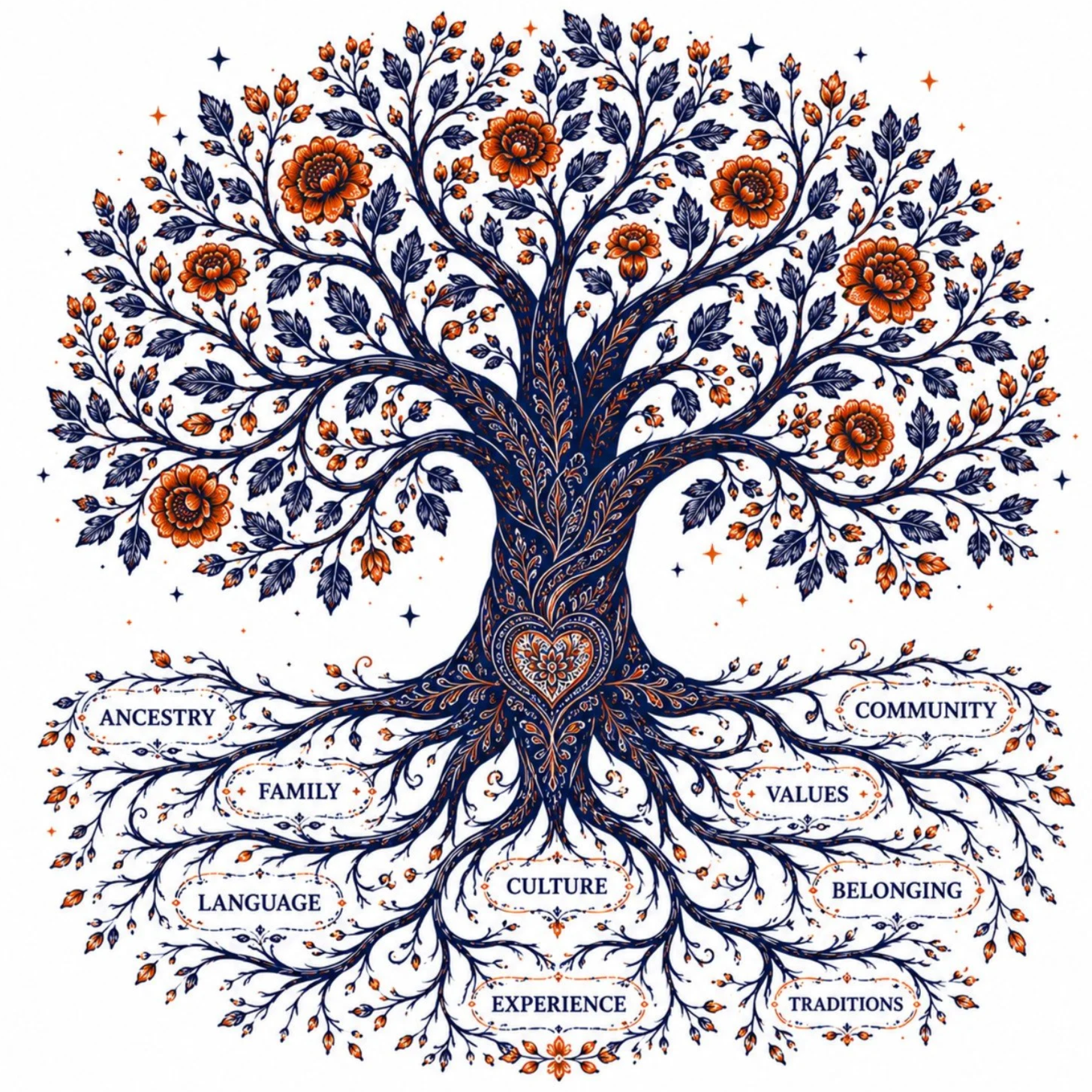
Culture, identity, family, and community shape the way we experience the world. They influence how we understand ourselves, relate to others, express emotions, navigate expectations, and make important life decisions. Sometimes these experiences provide strength and connection. Other times, they create stress, conflict, or a sense of feeling caught between different parts of yourself.
Therapy offers a space where your cultural background and lived experiences are recognized as an important part of your story—not something that has to be explained, minimized, or set aside
Common Reasons People Seek Therapy
-
Balancing personal values with family or cultural expectations
-
First-generation experiences and navigating multiple cultural identities
-
Immigration, relocation, or adjusting to a new community
-
Experiences of discrimination, racism, prejudice, or marginalization
-
Code-switching or feeling pressure to present different versions of yourself in different environments
-
Feeling like you don't fully belong in one culture or another
-
Religious, spiritual, or cultural conflicts
-
Intergenerational stress or family relationship challenges
-
Exploring identity during major life transitions
My Approach
I practice from a culturally responsive, trauma-informed, and nervous system-informed perspective that recognizes emotional well-being is shaped by the interaction of our lived experiences, relationships, biology, culture, and the environments in which we live. Rather than viewing distress as something that exists solely within the individual, therapy explores the broader contexts that have shaped your experiences and identifies practical strategies to support healing, resilience, and meaningful change.
Because every person's story is unique, therapy is individualized and guided by your goals, values, and lived experiences. Depending on your needs, our work together may incorporate:
-
Your culture, language, identity, and lived experiences are not side notes—they are an essential part of understanding who you are. Therapy provides a space where these experiences are respected, explored with curiosity, and integrated into the therapeutic process without assumptions or stereotypes.
-
Clarify your values, navigate competing expectations, and make choices that align with the life you want to build while responding more flexibly to difficult thoughts and emotions.
-
Recognize patterns of thinking that contribute to self-doubt, perfectionism, guilt, or internalized beliefs while developing healthier, more balanced ways of responding.
-
Chronic stress, discrimination, family conflict, migration, and experiences of marginalization can affect both the mind and body. Together, we'll develop greater awareness of these responses while learning practical strategies that support emotional regulation, resilience, and a greater sense of safety.
-
Develop greater awareness of your thoughts, emotions, and experiences while strengthening your ability to remain present, navigate uncertainty, and respond to life's challenges with greater flexibility and self-compassion.
What Therapy Can Help You Build
While every person's goals are different, therapy may help you:
Develop a stronger sense of identity and self-understanding
Navigate family and cultural expectations with greater confidence
Establish healthy boundaries while maintaining meaningful relationships
Strengthen self-esteem and self-compassion
Process experiences of discrimination or marginalization
Feel more grounded when navigating different cultural environments
Build coping strategies that align with your values and lived experiences
Create a life that honors both where you come from and where you want to go
Request a Free Consultation