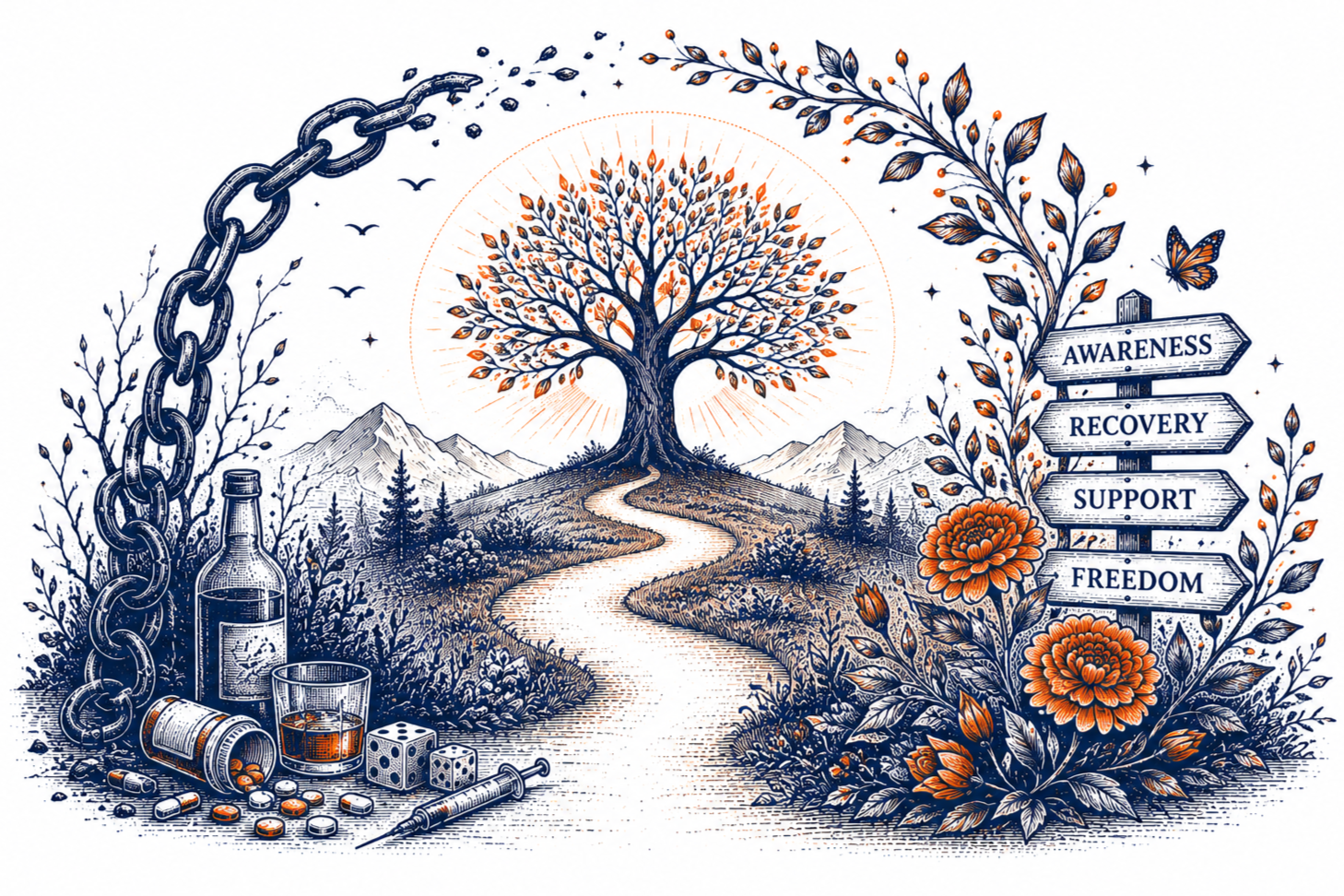
Substance Use, Addiction & Harm Reduction Therapy
People use substances for many different reasons. For some, alcohol or drugs become a way to cope with stress, anxiety, trauma, grief, or emotional pain. For others, use gradually changes from occasional to something that feels increasingly difficult to manage. Whatever your experience, therapy provides a supportive, nonjudgmental space to better understand your relationship with substances and identify meaningful goals that align with your values.
Recovery is not one-size-fits-all. Some people seek complete abstinence, while others want to reduce use, lower the risks associated with substance use, or better understand the role substances play in their lives. Therapy is tailored to your goals, not a predetermined path.
Common Reasons People Seek Therapy
-
Alcohol or drug use that feels increasingly difficult to control
-
Relapse prevention and recovery support
-
Exploring moderation or harm reduction goals
-
Cravings or urges to use
-
Using substances to cope with stress, anxiety, trauma, grief, or difficult emotions
-
Concerns raised by family members or loved ones
-
Balancing recovery with work, parenting, or other responsibilities
-
Co-occurring anxiety, trauma, or other mental health concerns
-
Building a healthier lifestyle that supports long-term well-being
There is no single path to change. Therapy begins by understanding your experiences, your goals, and what you hope will be different.
For some individuals, that means working toward abstinence. For others, it means reducing the negative impact of substance use through a harm reduction approach. Harm reduction is an evidence-based framework that focuses on improving health, safety, and quality of life while recognizing that meaningful change often happens gradually.
Together, we identify practical strategies that fit your circumstances while building skills that support lasting change.
My Approach
-
Develop realistic strategies to reduce the risks associated with substance use, strengthen safety, and support meaningful behavior change at a pace that aligns with your goals.
-
Explore personal values, strengthen motivation for change, and work through ambivalence in a collaborative, nonjudgmental way.
-
Recognize thoughts, behaviors, and situations that contribute to substance use while developing healthier coping strategies and relapse prevention skills.
-
Increase psychological flexibility by learning how to respond differently to cravings, uncomfortable emotions, and difficult thoughts while building a life that reflects your values.
-
When appropriate, explore how trauma, chronic stress, or emotional experiences may influence substance use while developing practical strategies that support emotional regulation and resilience.
What Therapy Can Help You Build
Therapy may help you:
Better understand your relationship with alcohol or other substances
Clarify your recovery or harm reduction goals
Develop healthier coping strategies for stress and difficult emotions
Reduce relapse risk and prepare for high-risk situations
Strengthen emotional regulation and resilience
Improve relationships affected by substance use
Increase confidence in maintaining meaningful change
Build routines and habits that support long-term well-being
Request a Free Consultation